To remove mold and mildew stains from decks and fences, clear away debris, protect nearby plants, and test a surface-safe cleaner first. Use gentle scrubbing and low-pressure rinsing for wood, composite, vinyl, and painted areas. Strong spray can leave marks, strip coatings, or force water into damaged boards.
Mold and mildew often return when outdoor surfaces stay wet and shaded. The right cleaning method removes dark growth without harming the material below it. This guide helps homeowners, property owners, and business owners prepare a deck or fence for stain, sealer, or regular use.
Table of Contents
- What Causes Black Mold and Mildew on Decks and Fences?
- What Should You Do Before Cleaning Mold and Mildew Stains?
- How Do You Remove Mold and Mildew From a Wood Deck?
- How Do You Clean Mold and Mildew From a Composite Deck?
- How Do You Remove Black Mold and Mildew From a Fence?
- Can Pressure Washing Remove Mold and Mildew Stains Safely?
- How Can You Prevent Mold and Mildew From Returning?
- Frequently Asked Questions
- Key Takeaways
- Conclusion
What Causes Black Mold and Mildew on Decks and Fences?
Black mold and mildew grow when outdoor surfaces stay wet for long periods. Shade, poor airflow, wet leaves, and nearby plants can trap water against boards and fence panels. Dirt gives the growth a place to cling, while wood fibers can hold moisture below the surface.
Mildew is a surface fungus that often looks powdery or patchy. Mold is a wider term for fungi that grow in many colors and forms. Dark marks may also come from algae, soil, soot, or wood tannins, so color alone does not prove the cause.
How do shade and debris create stains?
A deck beneath trees may dry slowly after rain. Fallen leaves can hold water against the boards and block sunlight. Fence sections near shrubs may stay wet because air cannot move freely around them. These damp areas help dark growth spread.
Gutters, downspouts, sprinklers, and poor yard drainage can add even more water. A leaking outdoor faucet may wet one section of a fence each day. Finding the water source matters because cleaning alone will not stop new stains.
How can homeowners tell mold from ordinary dirt?
Dirt often sits loosely on the surface and may wash away with gentle cleaning. Mold and mildew usually appear as green, gray, brown, or black patches. They may spread across shaded areas and return when moisture remains.
Do not scrape or sand unknown growth without care. Dry work can send particles into the air. When growth covers a large area, returns often, or appears with water damage, professional advice may help find the safest next step.
What Should You Do Before Cleaning Mold and Mildew Stains?
Before cleaning, inspect the surface and remove anything that could make the work unsafe. Look for loose boards, soft wood, cracked composite pieces, peeling paint, loose posts, and exposed fasteners. Damaged surfaces need a gentler plan than sound ones.
The same cleaner and spray pressure should not be used on every material. Wood, composite boards, vinyl, and painted fencing can react in different ways. Pressure Washing Salem Oregon can help Salem property owners choose a method that fits the surface and stain.
How should the surface be inspected?
Walk across the deck and look for movement, splinters, soft spots, and raised edges. Press lightly on suspicious wood with a blunt tool. If the wood feels soft or breaks apart, cleaning may make the damage worse.
Check composite boards for deep scratches, faded areas, and loose clips. On painted fences, look for peeling or bubbling paint. Check vinyl panels for cracks and loose connections before water reaches the surface.
Which tools and protective items are useful?
Light surface dirt may only need a soft brush, garden hose, gloves, eye protection, and a cleaner made for the material. Move furniture away before work begins. Cover or shield plants, outdoor outlets, lights, and delicate finishes.
Useful preparation steps include:
- Sweep away leaves, soil, and loose debris before adding water.
- Test the cleaner on a hidden area and wait for the surface to dry.
- Keep children, pets, and guests away from the work area.
- Follow the cleaner label and never mix cleaning chemicals.
- Rinse nearby plants with clean water before and after cleaning.
A homeowner does not always need professional help for light mildew and basic upkeep. Help becomes more useful when the surface is high, badly stained, fragile, painted, or damaged. A worker may also help when runoff could reach nearby property or when growth covers a large area.
How Do You Remove Mold and Mildew From a Wood Deck?
To clean a wood deck, use a wood-safe cleaner, gentle brushing, and controlled rinsing. Work in small sections so the cleaner does not dry on the boards. The goal is to remove growth without opening the wood grain or leaving uneven marks.
First, check the wood condition. Older boards may have loose fibers, worn stain, or hidden rot. Newer wood can also scar quickly under strong spray, so it still needs gentle care.
Step 1: Apply a suitable cleaning solution
Sweep the deck first. Wet nearby plants and protect items that should not touch the cleaner. Apply a product made for exterior wood, and follow the label for mixing, wait time, and rinsing.
The solution needs time to loosen the growth, but it should not dry on the boards. Work from one end of the deck to the other. On a warm or windy day, clean smaller sections for better control.
Step 2: Scrub the stained areas gently
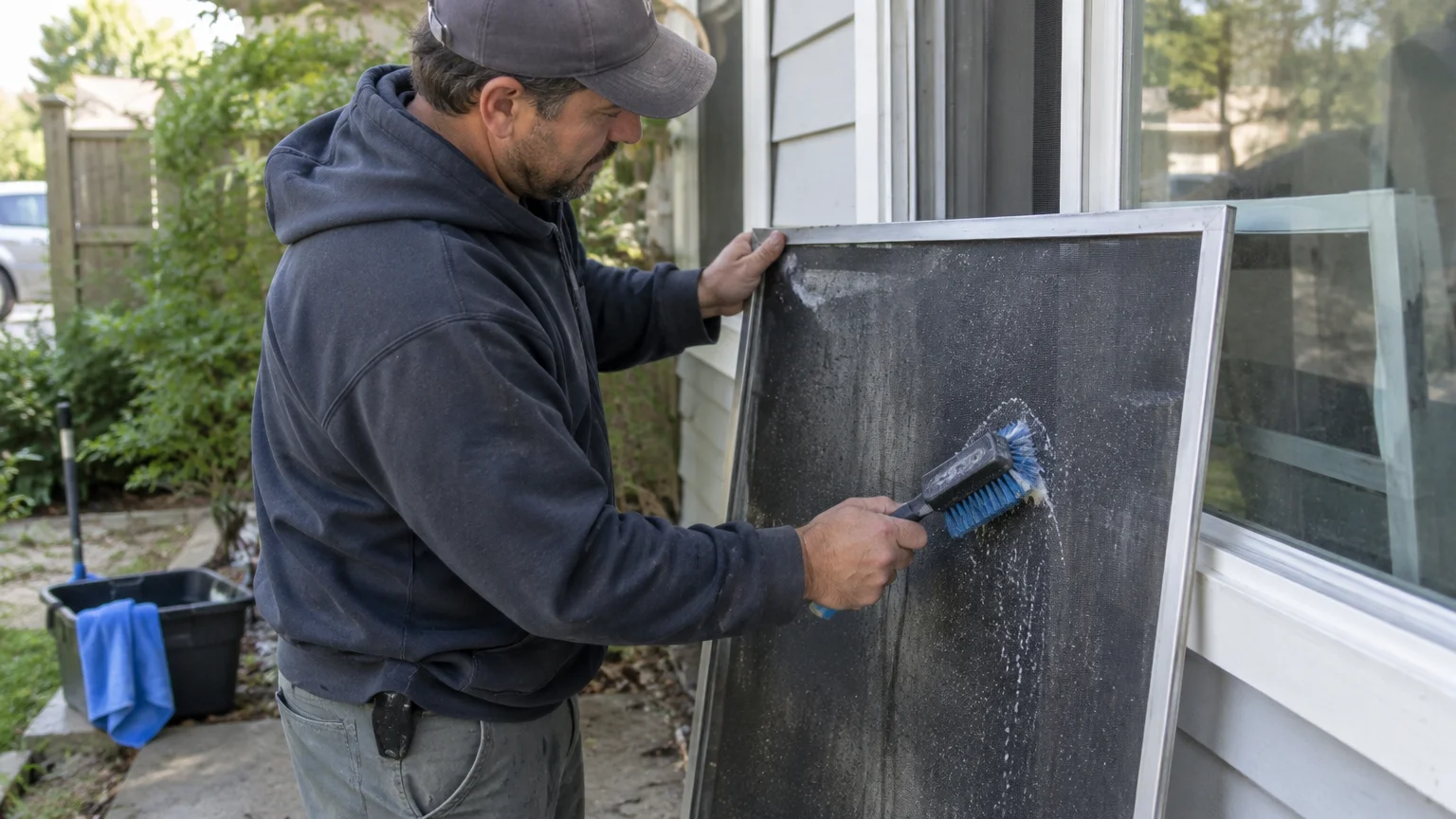
Use a soft or medium brush that follows the wood grain. Scrubbing across the grain can leave visible marks. Stubborn spots may need another careful application instead of harder pressure.
Do not sand active mold or mildew without proper controls. Dry sanding can spread dust and remove more wood than needed. If stains remain after safe cleaning, ask for a surface check before sanding or refinishing.
Step 3: Rinse without damaging the wood
Rinse with a garden hose or a washer set to a low, controlled level. Keep the nozzle moving and hold it far enough away to avoid cutting the wood. Never aim directly at joints, cracks, or soft areas.
Let the deck dry fully before judging the result. Wet wood can look darker than it will after drying. If you plan to stain the deck, make sure it is clean, dry, and free of loose fibers first.
How Do You Clean Mold and Mildew From a Composite Deck?
Composite deck cleaning starts with the board maker’s care instructions. Composite materials differ in their coatings, textures, and color blends. A cleaner that works on one product may leave dull spots or streaks on another.
Begin with a mild cleaner made for the material and a soft brush. Aggressive tools can scratch the surface or change its shine. Concentrated spray may also damage the finish, even when the boards look strong.
Why does manufacturer guidance matter?
Some composite boards have a protective outer layer. Others have textures that trap dirt in small grooves. The care guide may list approved cleaners, tools, and rinsing methods.
If the guide is missing, check with the maker for current instructions. Test any cleaner on a hidden section first. A dry test area makes color changes easier to see.
How can homeowners avoid streaks and damage?
Clean the full board length when possible instead of stopping in the middle. Overlap each pass to help prevent visible lines. Keep the brush moving and rinse dirt away before it dries.
Avoid wire brushes, rough powders, and strong chemicals. A pressure washer may work in some cases, but keep the spray controlled and away from seams. Composite Deck Washing needs care because uneven pressure can make clean and dirty areas look different.
Stains that remain after surface cleaning may have entered damaged areas or formed beside trapped moisture. Repeated hard washing may then cause more harm. A careful review is safer than trying stronger chemicals without guidance.
How Do You Remove Black Mold and Mildew From a Fence?
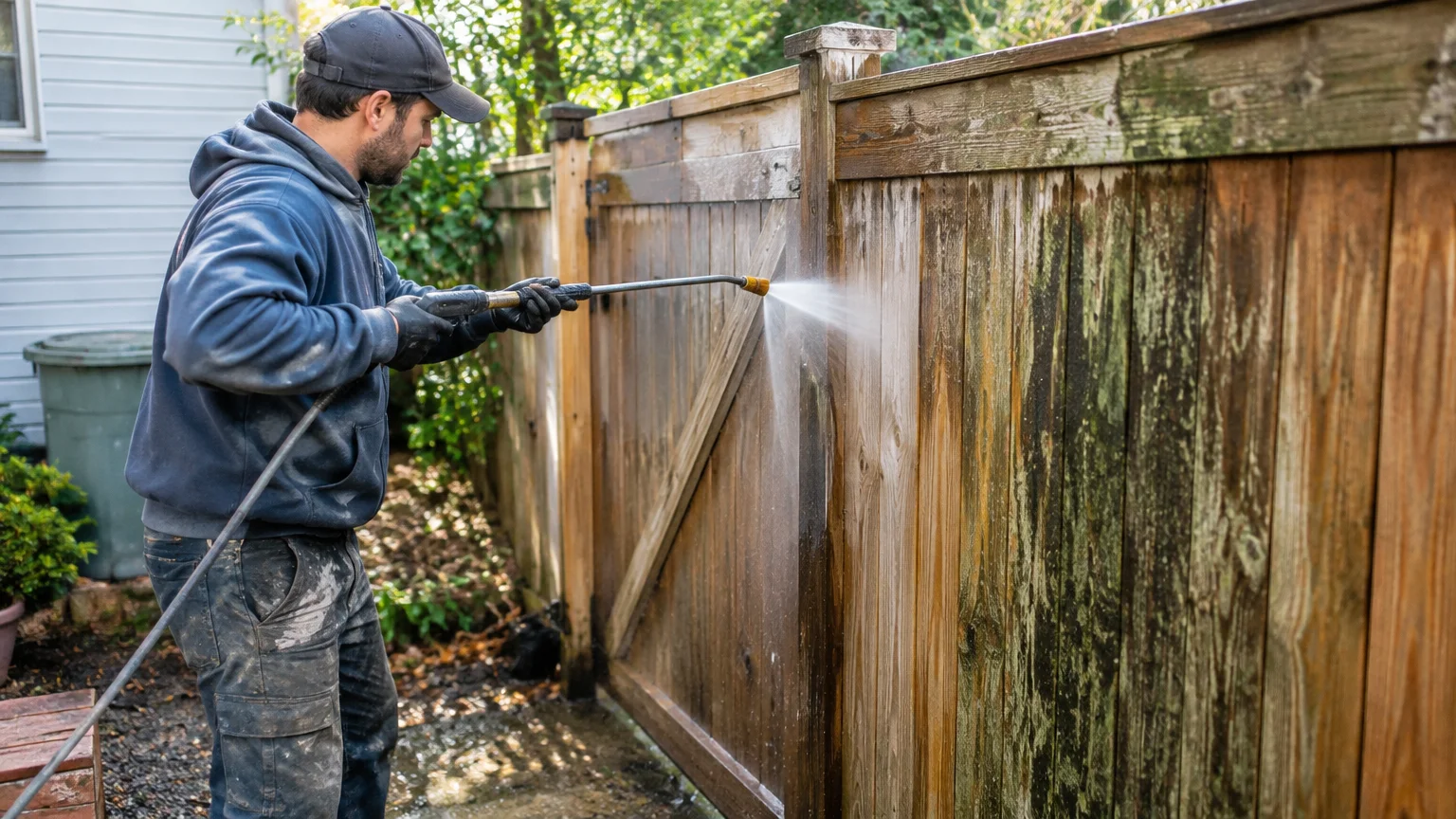
Fence cleaning depends on the material, paint or stain condition, and space around the posts. Wood needs grain-safe cleaning. Vinyl often needs mild washing that will not scratch the finish. Painted fencing needs low pressure so the coating stays in place.
Start at the top and work downward while rinsing. This carries loosened dirt toward the ground instead of across clean areas. Support gates and keep water away from hinges, locks, and electrical parts.
How should wood, vinyl, and painted fences be cleaned?
Wood fences can be cleaned with a wood-safe solution and soft brush. The spray should follow the board direction and stay away from soft or split sections. A weathered fence may need repair before cleaning.
Vinyl fences often respond well to gentle soap, brushing, and a full rinse. Painted fences need extra care because strong pressure can peel paint. If paint is already loose, cleaning is not a replacement for repair.
How can posts, rails, gates, and shaded sections be reached?
Move branches, pots, and yard items away from the fence line. Clean around posts and rails by changing the spray angle instead of moving the nozzle closer. Gates may need cleaning from both sides, especially near hinges and lower corners.
Shaded sections often need more wait time and gentle brushing. The lower edge may hold soil and grass clippings. The top rail may collect bird waste and leaves. Fence Cleaning Services can help when access is tight or the fence borders a slope, garden, or neighboring property.
Can Pressure Washing Remove Mold and Mildew Stains Safely?
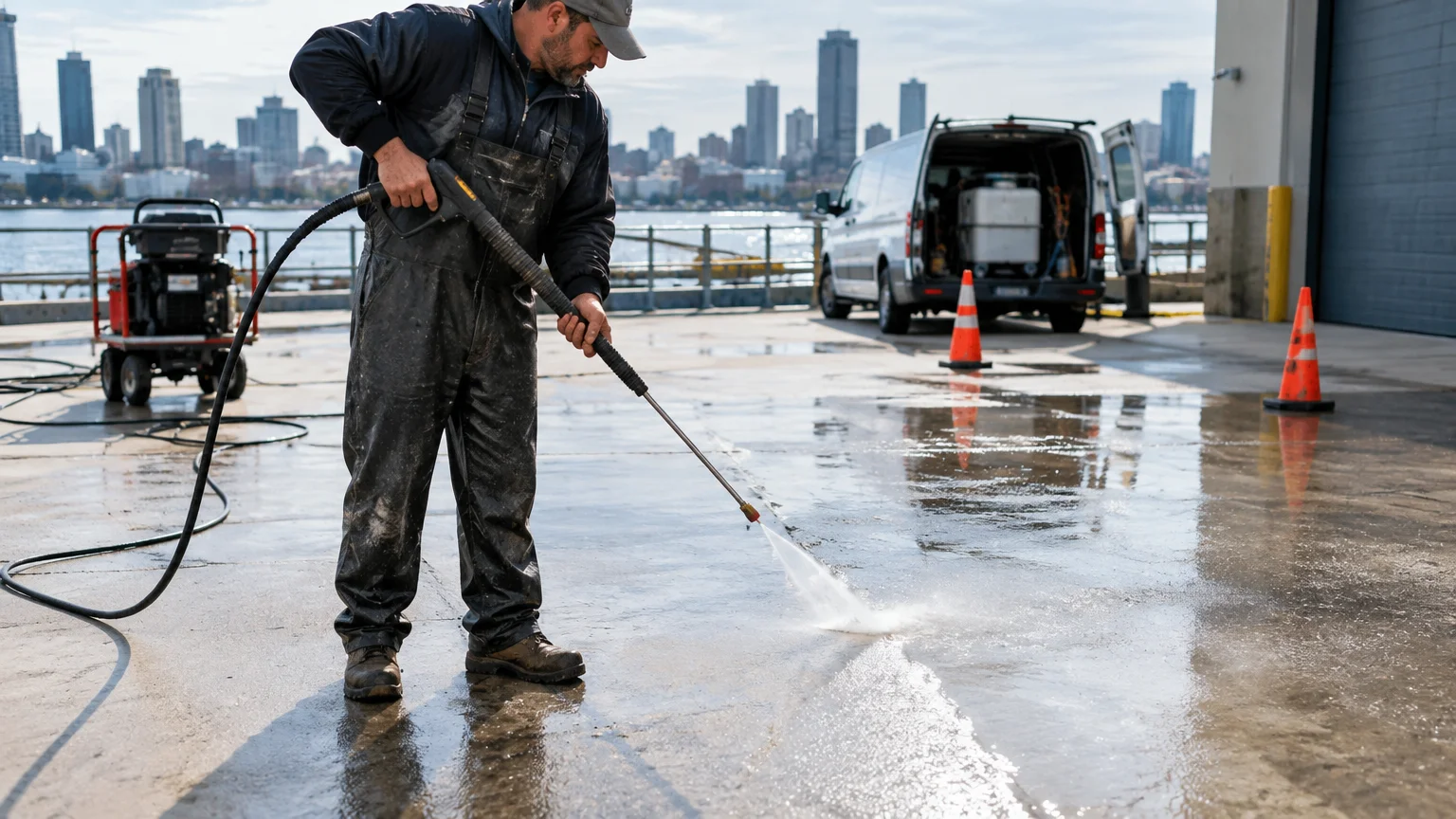
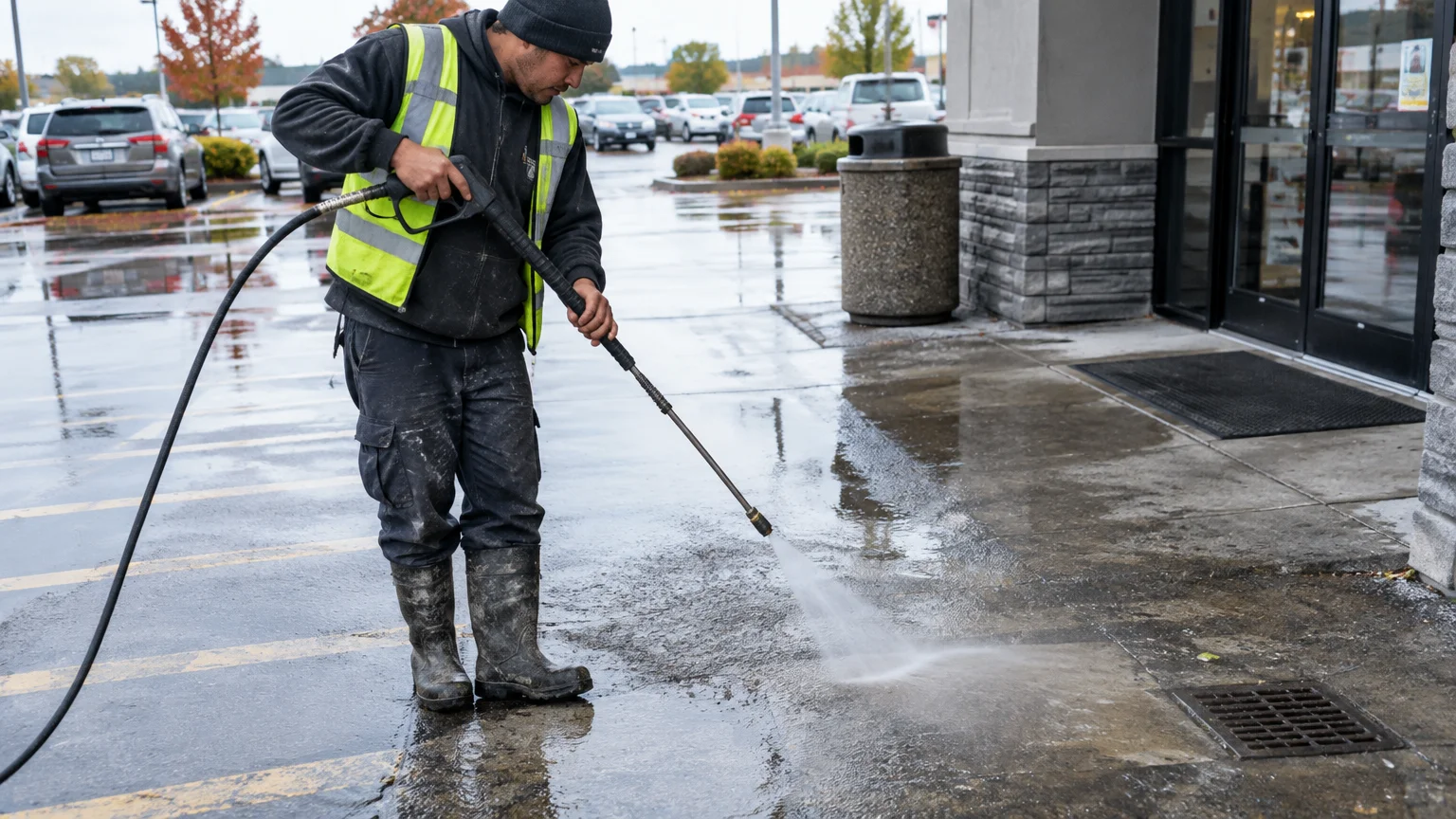
Pressure washing can remove mold, mildew, algae, and grime when the pressure, spray tip, cleaner, and distance fit the surface. It is not safe for every deck or fence by default. Too much force can strip wood fibers, mark composite boards, peel paint, and drive water into gaps.
Pressure washing differs from soft washing. Pressure washing uses more water force to loosen buildup. Soft washing uses a cleaning solution and lower pressure, so the solution does more of the cleaning work.
When is pressure washing suitable?
A sound, unfinished wood deck may tolerate controlled pressure from an experienced operator. Some composite decks and vinyl fences may also handle low-pressure rinsing. The right method depends on the product, condition, stain, and nearby surfaces.
A professional should check areas with rot, loose paint, deep cracks, or unknown coatings. Business owners and property managers should also plan runoff around doors, walkways, landscaping, and customer areas.
What damage can excessive pressure cause?
A narrow spray can cut grooves into wood within seconds. It can remove soft grain and leave fan-shaped marks. On composite boards, too much force may roughen the finish or create a patchy look.
Pressure washing cannot repair rotten wood, failed paint, broken boards, or poor drainage. It may not remove every dark mark if the stain has changed the material below. When unsure, test a hidden area and use the gentlest effective method.
How Can You Prevent Mold and Mildew From Returning?
Mold and mildew return when moisture remains after cleaning. Better drainage, more airflow, and regular debris removal can slow new growth. Prevention starts with the causes around the deck or fence, not only with the dark marks.
A simple upkeep plan helps protect outdoor areas. Check the surface after heavy rain, leaf fall, and long periods of shade. Pressure Washing Salem Oregon serves Salem, South Salem, West Salem, Keizer, Four Corners, Hayesville, Independence, and nearby communities.
How do drainage and airflow reduce regrowth?
Keep downspouts pointed away from decks and fences. Repair leaking outdoor taps and adjust sprinklers that spray the same boards each day. Trim plants that touch the fence or block airflow beneath the deck.
Remove leaves before they stay wet for long periods. Clear gaps between deck boards when safe, and keep soil from building against fence panels. These simple steps help outdoor surfaces dry faster after rain.
When should a deck or fence be stained or sealed?
A cleaned surface should dry fully before stain or sealer is applied. It should also be free of loose fibers, old flaking coating, cleaner residue, and active growth. Follow the coating label for drying needs and surface care.
Do not seal over mold, mildew, or damp wood. The coating may trap moisture and make the problem worse. Deck Cleaning Before Staining should include careful cleaning, a close inspection, and enough drying time.
Frequently Asked Questions
Can bleach remove mold from a deck?
Bleach may change the color of mold stains, but it can harm plants, finishes, fasteners, and wood fibers. It may not solve the moisture problem below the growth. A cleaner made for the surface is often a safer starting point. Always follow the product label for dilution, wait time, and rinsing.
How often should a deck or fence be cleaned?
There is no single schedule for every property. Shaded yards, wet weather, nearby trees, and poor drainage can require more checks. Clean light debris as it appears and inspect for new growth after wet weather. Act before stains become widespread or deeply set.
Can a homeowner pressure wash a wood deck?
A homeowner can pressure wash a sound deck when the equipment and settings are understood. Wood can scar very quickly under a narrow spray. A garden hose and soft brush may be safer for light growth. Professional help is wise for older, soft, painted, high, or badly stained decks.
What is the difference between pressure washing and soft washing?
Pressure washing relies more on water force to loosen and remove buildup. Soft washing relies more on a suitable solution and uses lower pressure during rinsing. The best choice depends on the material and stain. Check the surface condition before using either method.
Can mold and mildew return after professional cleaning?
Yes. Cleaning removes current growth, but shade, trapped moisture, leaks, and poor airflow may remain. Regrowth is less likely when the area dries well and debris is removed. A professional may also point out drainage or surface problems that a quick rinse cannot reveal.
Key Takeaways
- Identify the surface first because wood, composite, vinyl, and paint need different care.
- Remove leaves and fix moisture sources before cleaning mold and mildew stains.
- Use gentle brushing and controlled rinsing instead of the strongest spray setting.
- Test cleaners in a hidden area and follow product and material instructions.
- Let the surface dry fully before staining, sealing, or judging the final color.
Conclusion
The safest way to remove mold and mildew stains from decks and fences is to match the method to the material. Light growth may respond to a suitable cleaner, gentle brushing, and careful rinsing. Damaged wood, peeling paint, high areas, and deep stains need more care.
Homeowners in Salem can use these steps for basic upkeep. Property owners may prefer help with larger or hard-to-reach surfaces. Pressure Washing Salem Oregon can review the area and suggest a practical cleaning approach. Contact us to arrange service for a deck or fence that needs careful stain removal.