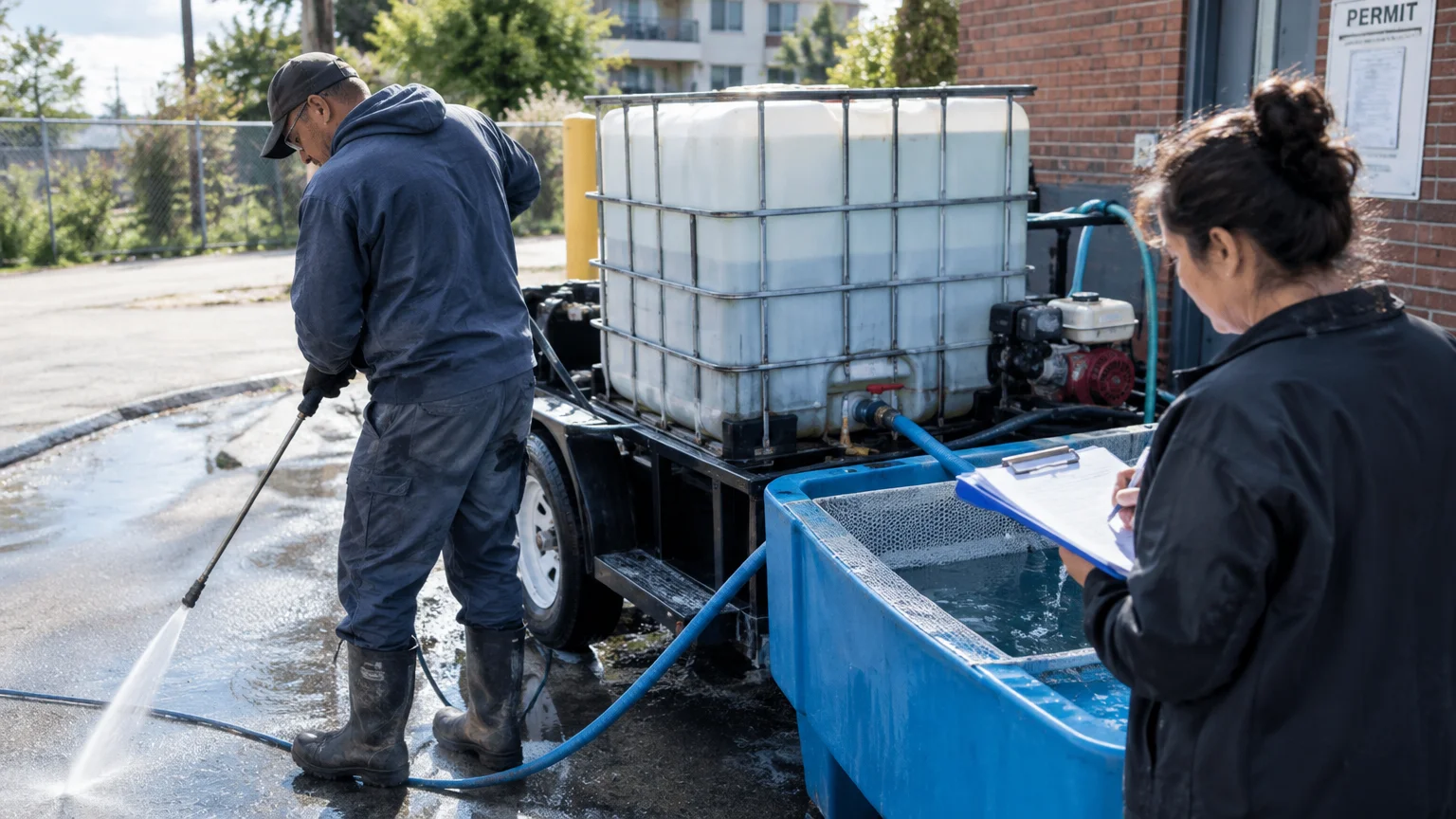
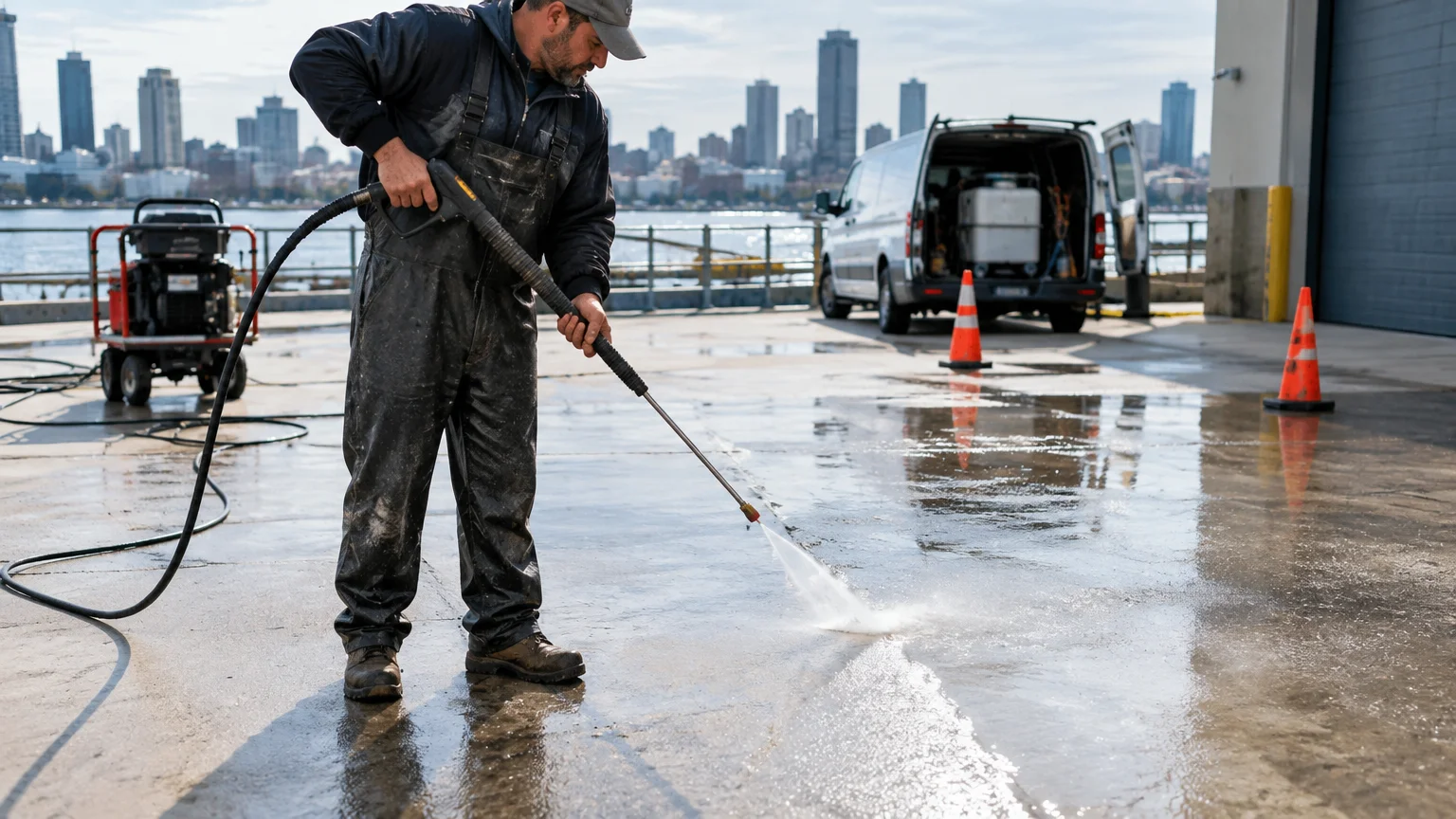
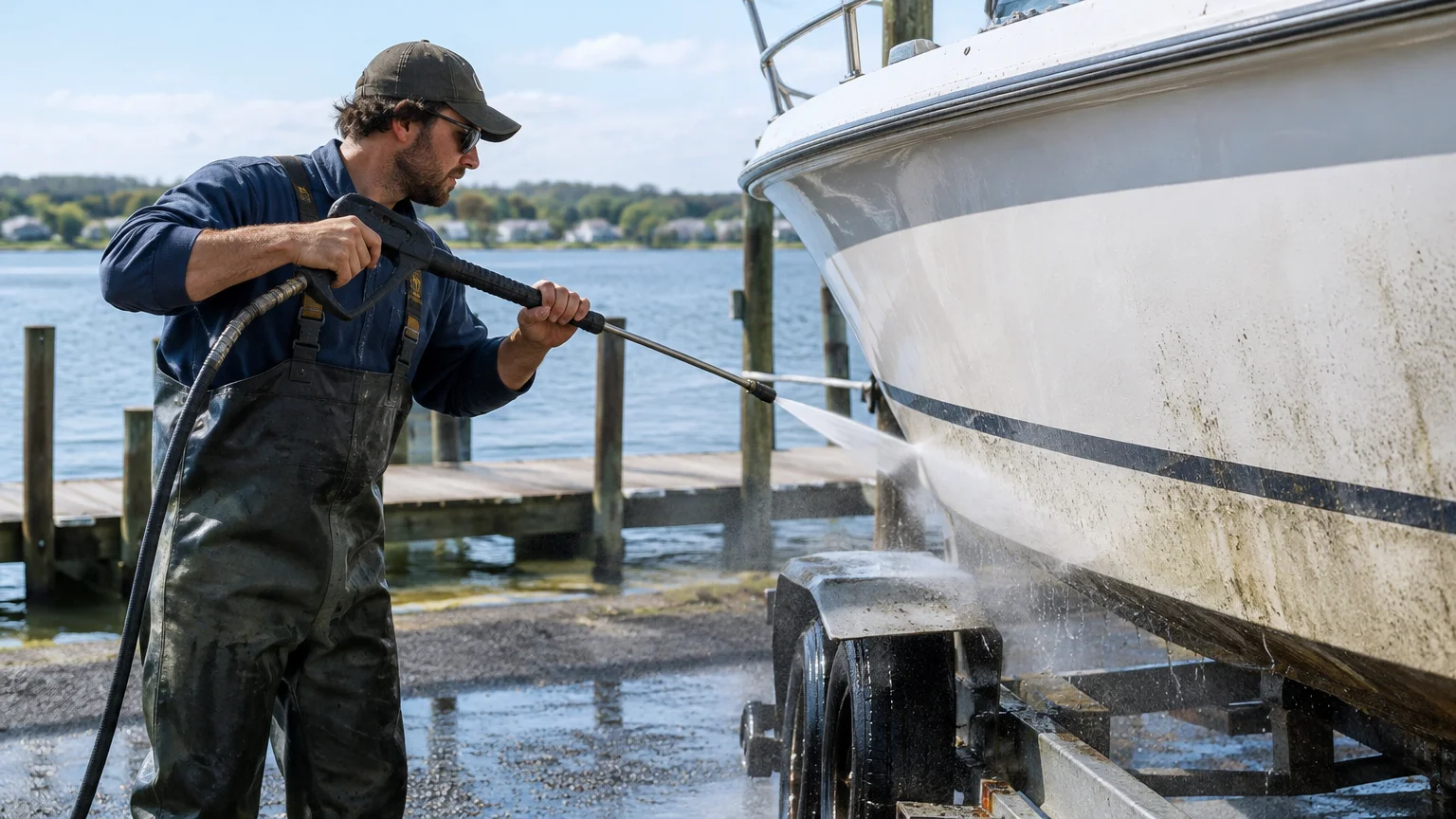
Most homes need exterior cleaning about once each year, but how often should you pressure wash your house depends on the surface, weather, shade, trees, and dirt. Check each area often and clean it before grime causes stains, slippery spots, or damage. A surface-based plan works best in Salem.
A home does not need every surface cleaned on the same day. Siding may need gentle washing before painting, while a shaded walkway may need care sooner. Pressure Washing Salem Oregon helps property owners match each task to the right season and cleaning method.
Table of Contents
- How often should you pressure wash your house?
- How often should you pressure wash siding?
- How often should you pressure wash a driveway and walkway?
- How often should you pressure wash a deck or patio?
- How often should you pressure wash a roof?
- What seasonal pressure washing schedule works best?
- How can you create a repeating exterior cleaning plan?
- Key takeaways
- Frequently Asked Questions
- Conclusion
How often should you pressure wash your house?
Many homeowners should plan a full house wash once each year. Some homes stay clean longer. Homes near busy roads, tall trees, water, or deep shade may need care sooner. A yearly check helps you choose the right time before grime becomes thick.
Pressure washing uses strong water pressure to clean hard surfaces. Soft washing uses lower pressure and a cleaning solution. It is often used for delicate areas and organic growth. The safest choice depends on the material, its age, and the type of dirt.
What determines the right cleaning frequency?
Moisture, shade, air pollution, trees, wind, and surface use all matter. Damp areas can collect algae, mold, and mildew faster than sunny areas. A home near a wooded lot may need more care than a home on an open street.
Paint, sealants, and surface age also affect the schedule. Older siding, open wood grain, cracked concrete, and worn coatings can hold dirt. Inspect the exterior after storms and before painting, selling, or hosting an event.
How can you tell when your home needs washing?
Look for green or black growth, gray film, dusty siding, streaks, and dull pavement. A slippery surface can create a safety risk near steps, pools, and shaded paths. Dirt around doors, windows, and gutters may also show that cleaning is due.
A homeowner can rinse loose dust from some low surfaces with a garden hose. Professional help is safer for high walls, delicate siding, roofs, electrical areas, and heavy growth. Salem weather and the layout of your property may change the best plan.
How often should you pressure wash siding?
Siding often needs cleaning about once each year or when dirt and organic growth become visible. Vinyl, brick, stucco, and wood all need different care. The goal is to remove buildup without forcing water behind the siding or removing paint.
House Washing Services may help when the exterior has wide stains or hard-to-reach areas. The right method may be soft washing instead of high pressure. A trained cleaner can check the material and adjust the pressure, solution, and spray distance.
How do vinyl, brick, stucco, and wood siding differ?
Vinyl siding usually responds well to gentle washing. The spray should stay away from seams and vents. Brick can be cleaned, but old mortar may be weak. Stucco needs low pressure because strong water can open cracks or push water into the wall.
Wood siding needs extra care. Too much pressure can cut the wood, lift paint, and leave marks. A homeowner may clean a small, low area with the right tools. Large walls and old coatings need more care. The same rule applies before repainting: the surface must dry fully and stay sound.
What signs mean siding needs attention sooner?
Dark streaks, green patches, chalky film, and dirt below windows are common signs. Growth in shaded corners can spread across a wall. Peeling paint and soft wood need a repair check first, since washing cannot fix weak materials.
A home may also need washing after nearby construction, a strong pollen season, or a storm that leaves mud. Regular checks keep buildup from becoming harder to remove. They also help owners find cracks, loose trim, and blocked drainage.
How often should you pressure wash a driveway and walkway?
Driveways and walkways often need cleaning once a year. Wet or shaded areas may need more frequent checks. Heavy traffic, parked vehicles, tree sap, and soil can make concrete look dirty sooner. Clean these areas before growth becomes slippery or stains spread.
Concrete is tough, but it can still be damaged. Holding high pressure too close may leave marks or expose the surface. It can also damage joint sand. A cleaner can select the right pressure and product for concrete, pavers, brick, or other paving.
How do weather, shade, and traffic affect concrete buildup?
Rain moves dirt into pores and joints. Shade slows drying and can support algae and mildew. Foot traffic presses soil into the surface, while cars may leave tire marks and fluid stains.
Walkways near sprinklers need close checks. Repeated moisture can leave mineral marks and support growth. A sunny driveway may stay cleaner, but it still collects dust, pollen, and vehicle residue. Inspect after wet weather and before outdoor gatherings.
When should oil stains, algae, or weeds be addressed?
Oil and other vehicle stains should be handled soon. Fresh marks are often easier to clean than old stains. Algae should be addressed when the surface feels slick or shows green and dark patches.
Weeds in joints may point to broken or missing joint material. Pulling a few weeds can be a simple homeowner task. Repeated growth may need joint repair. Driveway Cleaning Services can help with wide buildup. Do not mix cleaning products or send dirty runoff toward plants and storm drains.
How often should you pressure wash a deck or patio?
A deck or patio often needs cleaning once a year, usually before the main outdoor season. Wood, composite boards, concrete, and pavers each have different limits. Shade, leaves, spills, and frequent use may mean the surface needs attention sooner.
Start with a small test area. Watch for color loss, raised wood fibers, loose coating, or damage. If the material is old or fragile, professional advice can help prevent cleaning damage.
What changes the cleaning schedule for wood and composite surfaces?
Wood can hold moisture and grow mildew beneath leaves or furniture. It may need gentle washing and enough time to dry before sealing. Composite boards resist some moisture problems, but dirt can still collect in their texture and joints.
Pool areas need special care because algae can create a slip risk. Pool Deck Cleaning can remove buildup while protecting the surface when the method is right. Homeowners can sweep leaves, rinse light dirt, and move furniture often. Stubborn stains and large areas may need professional tools.
How should cleaning fit with staining or sealing?
Clean before staining or sealing. The surface needs time to dry, and the coating maker’s instructions should be followed. Applying a coating over damp wood, dirt, or mildew can trap problems and cause peeling.
Check boards, fasteners, railings, and steps during cleaning. Soft or broken boards need repair before washing. Deck Cleaning Services may help when the surface has deep grime, old coating, or hard-to-reach areas.
How often should you pressure wash a roof?
A roof should not follow the same schedule as a driveway. Inspect it often and clean it when stains, moss, algae, or debris appear. Use a roof-safe method. High pressure can damage shingles, remove protective granules, and force water below roofing materials.
Roof cleaning is often a soft-wash task rather than a pressure-wash task. The right choice depends on the roof covering, age, slope, weather, and growth. Avoid walking on steep or fragile roofs. Never direct water beneath shingles or flashing.
What roof conditions require a gentler cleaning method?
Asphalt shingles, painted metal, old roofing, and fragile tiles may need low-pressure cleaning. Strong spray can damage edges and coatings. Moss may have roots that need careful treatment instead of force.
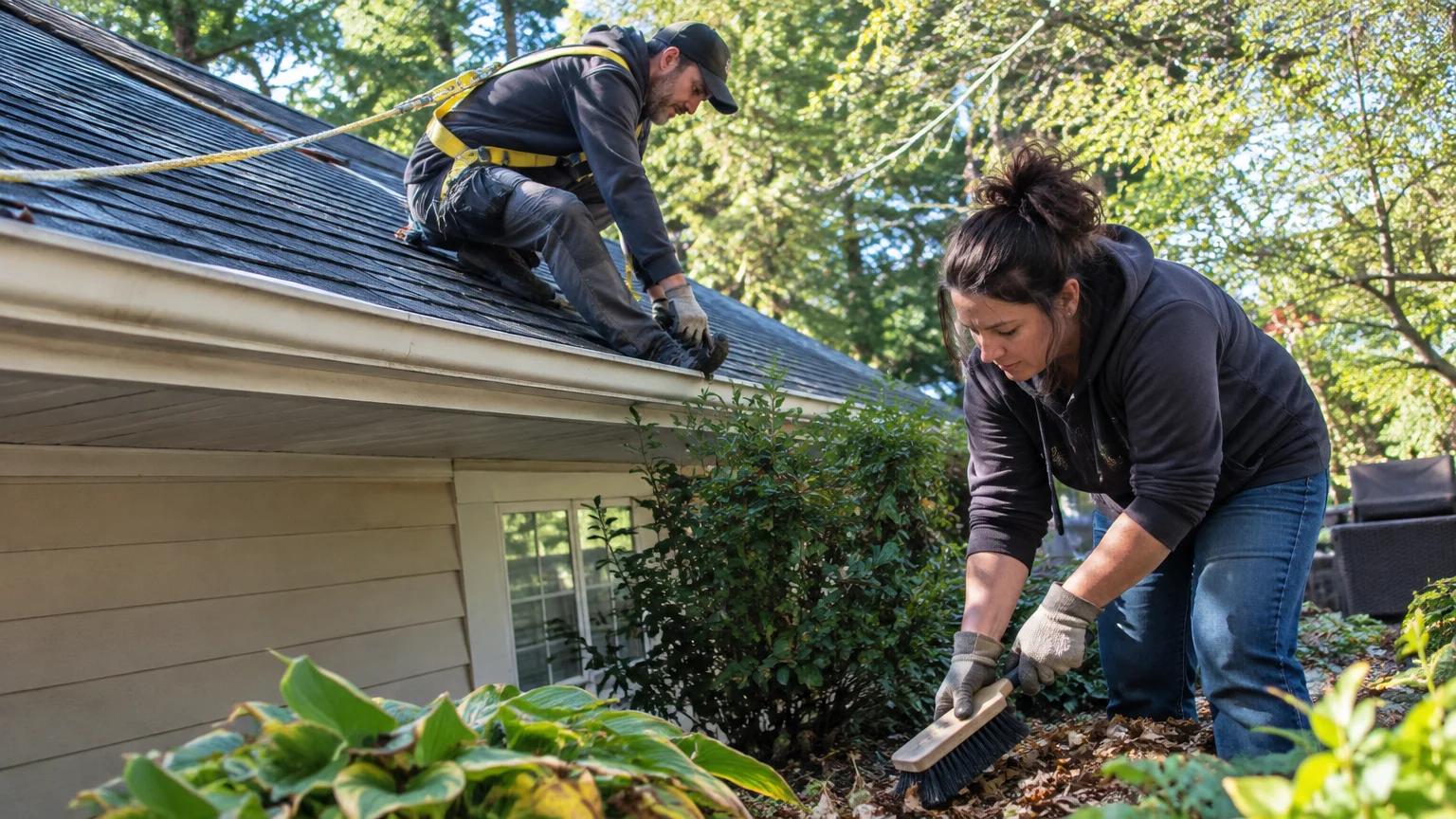
A roof cleaner can inspect the surface from a safe place. Plants, gutters, walls, and outdoor furniture should be protected. A homeowner may remove loose leaves from a low, safe area with a soft brush. Climbing and handling cleaning chemicals can create serious risks.
Which signs indicate roof cleaning is overdue?
Dark streaks, green patches, moss clumps, leaf piles, and blocked roof valleys are warning signs. Growth near gutters can hold moisture against roofing materials. Stains may spread across a sunny roof even when the rest of the home looks clean.
Roof Cleaning should be planned before growth becomes thick. Cleaning does not replace roof repair. Leaks, missing shingles, sagging areas, and soft decking need a roofing check. Keep the roof in good repair before washing begins.
What seasonal pressure washing schedule works best?
A simple annual plan places most exterior cleaning in mild, dry weather. Spring is useful for pollen, winter dirt, and new growth. Summer works well for patios, pool decks, and outdoor areas. Fall is a good time to clear leaves and check drainage.
Winter cleaning depends on local weather. Freezing conditions can make surfaces slippery and stop water from drying safely. Avoid washing when water may freeze on walkways, steps, equipment, or nearby plants.
Which exterior cleaning tasks belong in spring, summer, fall, and winter?
- Spring: Check siding, walkways, decks, gutters, and roof areas after winter weather.
- Summer: Clean patios, pool decks, fences, and outdoor areas before heavy use.
- Fall: Clear leaves, check drainage, and clean surfaces before wet weather.
- Winter: Make light checks and remove safe debris when temperatures allow.
This list is a guide, not a strict rule. A wet, shaded property may need more checks. A dry, open property may need fewer full cleanings. Focus on buildup, surface safety, and weather.
How should regional weather and property conditions change the plan?
In Oregon, rain, humidity, freeze risk, and tree cover all affect timing. Homes in Salem, including South Salem and West Salem, may need different plans. Keizer, Four Corners, Hayesville, Independence, and nearby communities also have varied shade, soil, traffic, and water conditions.
Commercial buildings and rental properties may need closer inspections because many people use their walkways. Tenants should report leaks, slippery spots, and visible growth. Investors and managers can group nearby tasks and keep clear records.
How can you create a repeating exterior cleaning plan?
Start with a surface list and an inspection date. Note the last cleaning, current condition, problem areas, and next review. This makes it easier to plan house washing, driveway cleaning, fence care, and roof checks together.
Pressure Washing Salem Oregon can help Salem property owners decide which tasks fit a yearly plan. The business can also help review high or hard-to-reach areas. A written plan supports safer upkeep and helps stop small problems from becoming larger repairs.
Which surfaces should be inspected and scheduled together?
Group surfaces by location and cleaning method. Check siding, brick, and fences during one exterior review. Review driveways, walkways, patios, and pool decks together because they share traffic and runoff concerns.
A useful plan may include these steps:
- Walk around the property and note stains, growth, cracks, loose parts, and slippery areas.
- Identify the material before choosing pressure, tools, or cleaning products.
- Schedule compatible tasks during safe weather with enough drying time.
- Record the cleaning date and inspect the results after the surface dries.
- Set the next review based on shade, moisture, traffic, and new buildup.
When should homeowners hire a professional pressure washing service?
Professional help makes sense for tall walls, steep roofs, large properties, fragile materials, heavy stains, and unsafe access. It also helps when you are unsure about pressure washing or soft washing. A professional can protect siding seams, plants, windows, outlets, and nearby finishes.
Homeowners can sweep, rinse light dirt, remove loose leaves, and keep furniture from holding moisture. Stop when the surface shows damage, the work requires climbing, or cleaning products are unclear. The Contact us page provides a way to learn more about scheduling and exterior cleaning needs.
Key takeaways
- Most homes benefit from a yearly exterior cleaning review.
- Shade, moisture, trees, traffic, and surface age can shorten cleaning times.
- Siding, wood, roofs, concrete, and composite materials need different methods.
- Roofs and delicate surfaces often need soft washing instead of high pressure.
- Regular checks help owners clean safely before buildup becomes severe.
Frequently Asked Questions
Can a homeowner pressure wash the house safely?
A homeowner can handle light rinsing and small, low areas with care. Professional help is safer for tall walls, roofs, fragile siding, heavy growth, and electrical areas. The wrong pressure can damage paint, wood, mortar, or seals. Test a small area and use the right method first.
What is the difference between pressure washing and soft washing?
Pressure washing removes buildup with stronger water force. Soft washing uses lower pressure and a cleaning solution to treat dirt and organic growth. Soft washing is often better for siding, roofs, stucco, and older surfaces. The safest choice depends on the material and its condition.
Is spring the best time to pressure wash a house?
Spring is often useful because it removes winter dirt, pollen, and new growth. It is not the only good season. Mild, dry weather can work in other months. Choose a time that allows safe water use and good drying.
How often should a deck be cleaned?
Many decks need cleaning once a year. Shade, leaves, moisture, and foot traffic can change that plan. Wood needs gentle care, while composite boards still need cleaning in textured areas. Clean before staining or sealing, then allow enough drying time.
Who cleans solar panels near me?
Solar panels should be cleaned according to the maker’s care instructions. A homeowner may rinse light dust from safe, reachable panels. Roof access creates fall and equipment risks. A trained exterior cleaner can explain whether panel cleaning suits the property.
Conclusion
The answer to how often should you pressure wash your house depends on the home, surface, and local weather. A yearly review is a useful starting point. Shaded, damp, busy, or wooded properties may need closer checks. Safe methods matter as much as timing.
Pressure Washing Salem Oregon serves property owners and can help organize a plan for siding, driveways, patios, decks, and other exterior surfaces. Salem homeowners can use regular checks to keep maintenance safer and easier.
If you are not sure what you are dealing with, it is worth having someone look at it before it turns into a bigger job. Get in touch with Pressure Washing Salem Oregon today and we will tell you where you stand.