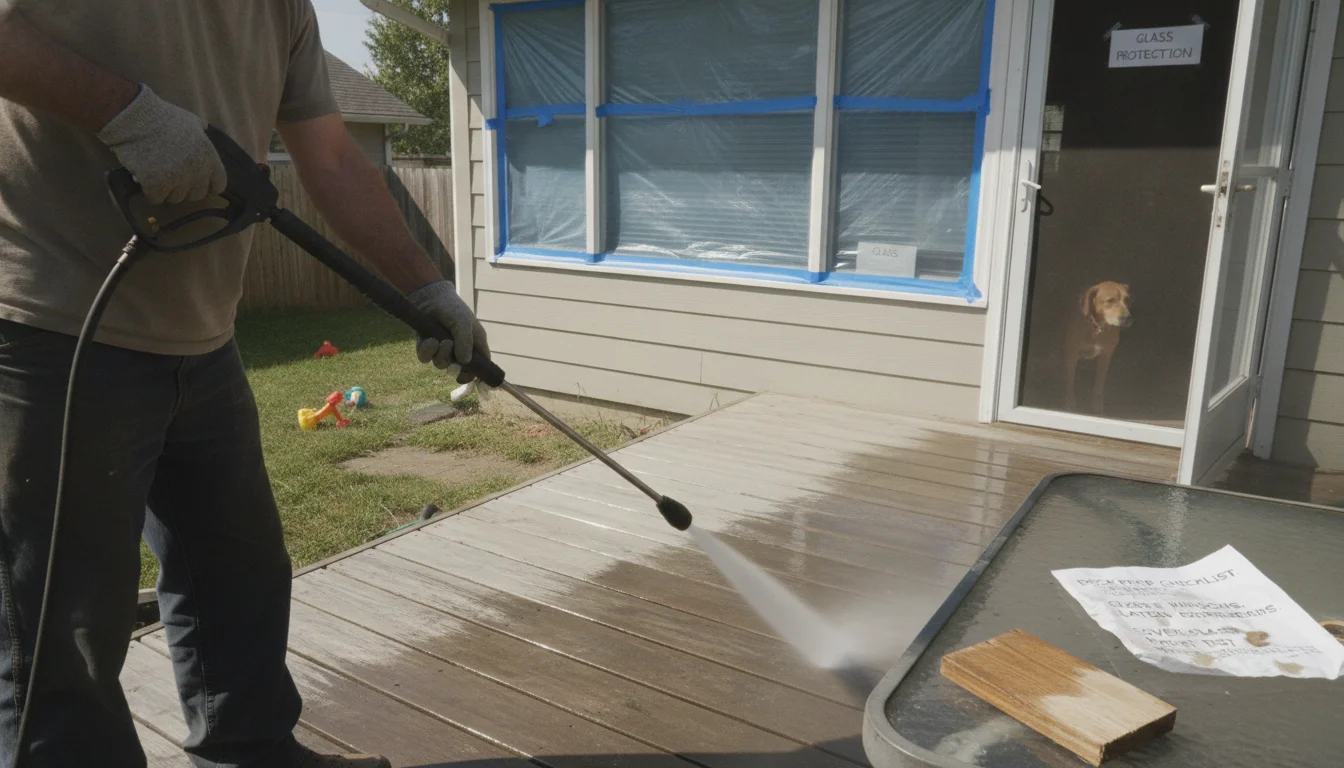
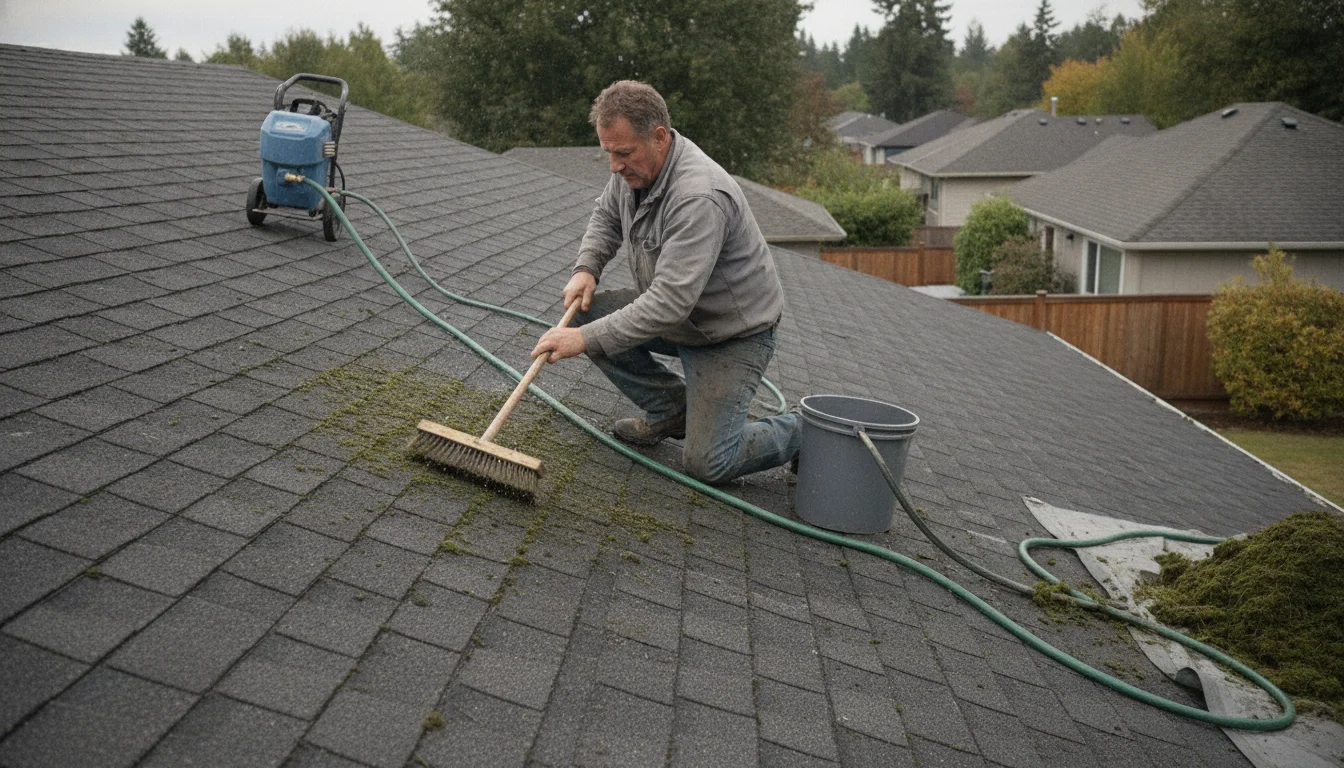
You notice white, chalky streaks on steps or walls in Salem, wipe them off, and they return after the next storm. That common problem has a name: efflorescence on brick is a white, powdery salt left behind when moisture inside masonry dissolves minerals and dries on the surface. This guide from Pressure Washing Salem Oregon explains what cleaning can remove, what requires specialized care, and how to stop repeat staining by fixing the underlying moisture path.
Key Takeaways
- Efflorescence forms when water carries salts to the surface of brick, stucco, or mortar and evaporates.
- Gentle exterior cleaning and soft washing remove loose film; hard crusts may need masonry-safe acid cleaners.
- High pressure risks damage to stucco, mortar, and brick faces and can drive water deeper.
- Lasting results require fixing moisture sources such as leaks, grading, and gutters.
- Use breathable sealers so walls can dry; trapped vapor can worsen salt buildup.
Efflorescence on Brick and Stucco: Causes, Signs, and Risks
Efflorescence happens when water dissolves salts inside masonry. As that water moves to the surface and dries, the salts stay behind as a white film. Brick, block, mortar, and stucco all hold small amounts of these salts. New builds and damp walls show it most, and Salem’s wet season—roughly 40–45 inches of annual rainfall—keeps walls wetter through fall and winter.
You may see a light, dusty smear that wipes off, or a hard, crusty layer that clings in lines or patches. Streaks under sills, near downspouts, or at grade are clues. Persistent white stains can signal a bigger moisture issue, like leaks, poor grading, clogged gutters, or trapped vapor behind paint.
Left alone, salts can pull water in and keep walls wet. That can weaken mortar, make paint peel, and even flake brick faces over time. Catching the moisture source early protects the wall and limits future cleaning.
What Washing Will Remove—and What It Won’t
Light, loose powder often rinses away with a gentle wash. A mild cleaner helps lift it fast. Hard, crystalline crusts bond to pores and need a specialty cleaner and more dwell time. High pressure is not the answer. On stucco and soft mortar, strong pressure can gouge, etch, or force water deeper.
Even after a good clean, stains can return if moisture still pushes through the wall. When salts remain inside, new deposits form as the wall dries again. That is why washing is one step, and fixing water sources is the other. House Washing Services in Salem, OR can pair careful cleaning with practical moisture checks so the results last.
Safe Cleaning Methods for Masonry and Painted Exteriors
Start with safety and care. Test a small, hidden spot first. Wear gloves and eye protection. Pre-wet plants and soil and cover delicate shrubs. Keep run-off away from storm drains where required.
Common cleaner types:
- Detergent cleaners: Good for light powder. Gentle and safer for paint and vinyl siding.
- Acid cleaners (masonry-grade): Break down salt crusts. Use low strength. Follow label. Rinse well.
- Specialty efflorescence removers: Often buffered acids. Designed to reduce etching and fumes.
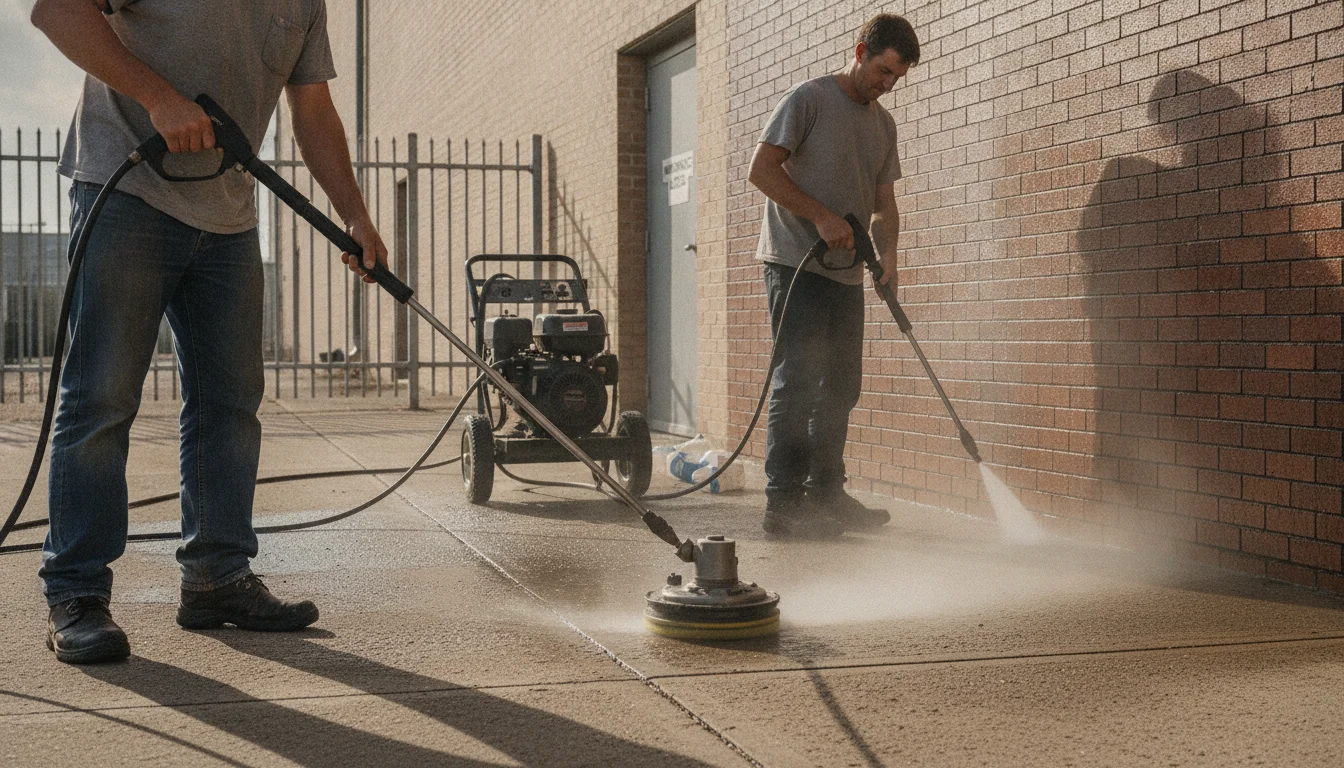
Soft washing means low pressure water plus the right cleaner. It protects surfaces while the chemistry does the work. Here is a simple process:
- Pre-wet the wall so pores are damp but not dripping.
- Apply cleaner from the bottom up to avoid streaks.
- Let it dwell per label. Do not let it dry.
- Gently agitate with a soft brush on stubborn spots.
- Rinse from the top down with low pressure until clear.
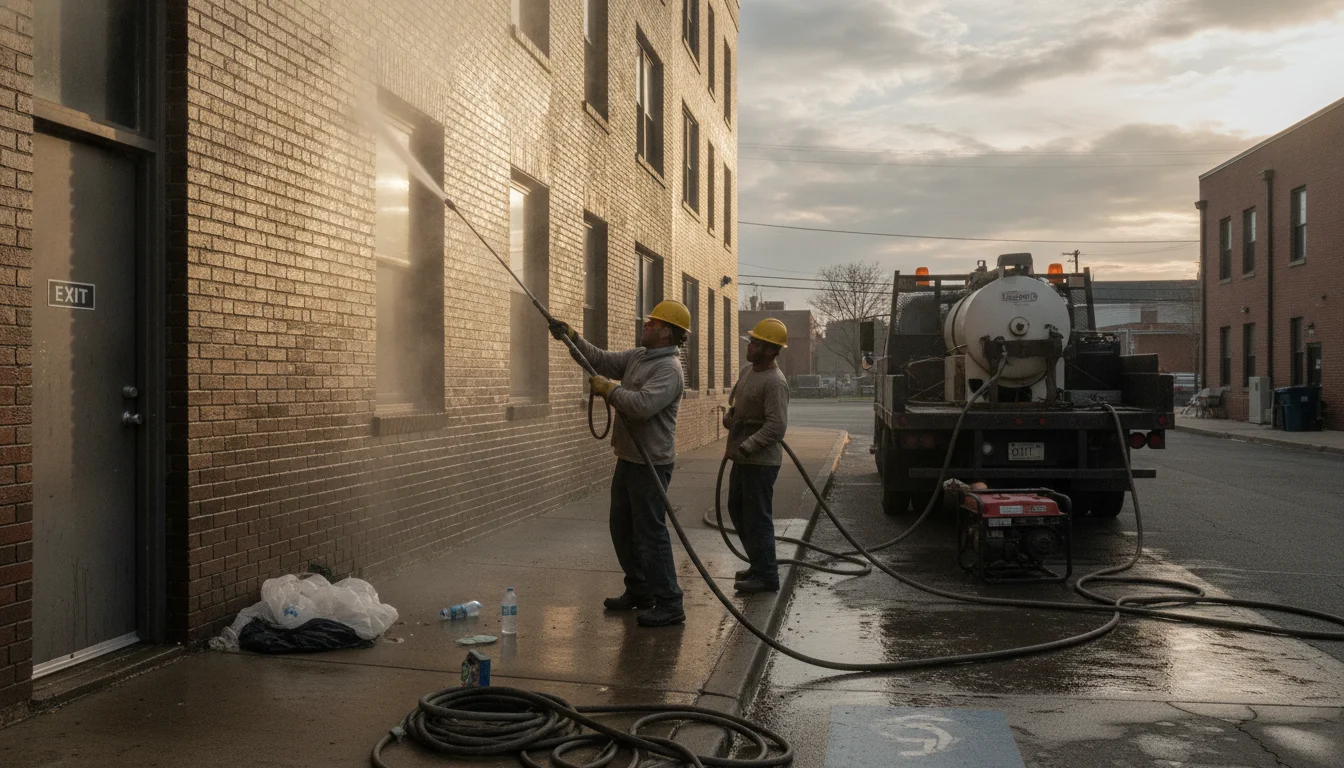
If you use an acid cleaner, neutralize after the rinse with a mild alkaline rinse per label. Then do a post-clean check. Look for any etched spots, streaks you missed, or areas that need a second light pass. For larger buildings, consider Building Washing Services in Salem, OR to scale this process safely. Pressure Washing Salem Oregon brings the right chemistry, low-pressure tools, and trained eyes for complex jobs.
Keep Efflorescence from Coming Back
Cleaning helps today. Stopping water helps for the long run.
Fix common sources:
- Clear gutters and downspouts; extend them away from the wall.
- Improve grading so water flows away, not toward the house.
- Adjust sprinklers so they do not wet walls.
- Seal small leaks at sills, caps, and joints.
Let new masonry cure. Fresh mortar typically needs about 28 days to cure before sealing. Manage vapor behind painted walls with vents and breathable coatings. On brick, repoint weak joints, check flashing, and keep weep holes open so walls can drain.
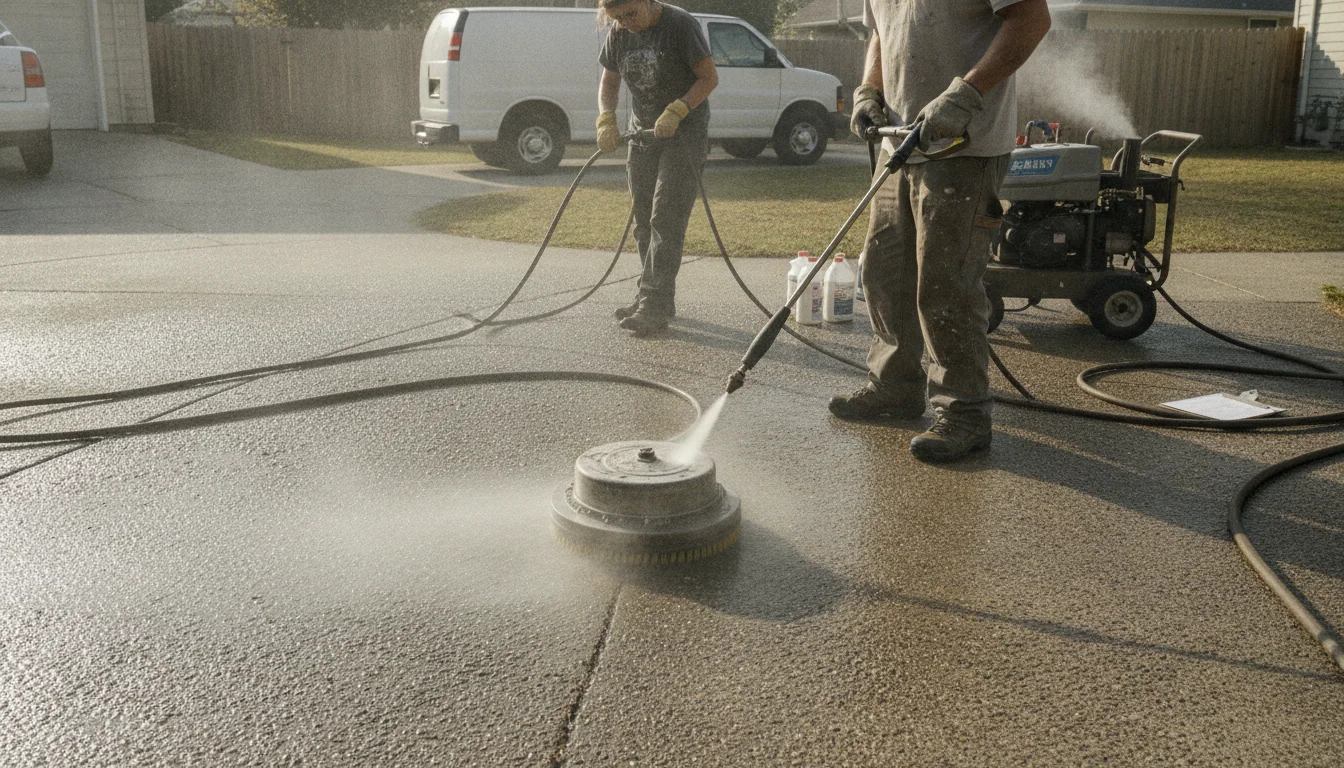
Use sealers with care. Pick breathable, vapor-permeable sealers on masonry so moisture inside can escape. Trapped water can make salts worse. When in doubt, ask about Brick Cleaning Services in Salem, OR for product guidance. If the project extends to walkways, pairing wall care with Driveway Cleaning Services in Salem, OR keeps salt and dirt from tracking back to the façade during wet weather.
Know when to call a pro. Thick crusts, historic brick, painted stucco, or tall walls need trained help. A local team like Pressure Washing Salem Oregon understands Salem’s rain patterns, grading issues, and building materials, and can spot hidden moisture paths fast.
Frequently Asked Questions
Will pressure washing remove the white stains on my brick?
Gentle washing with the right cleaner can remove light deposits. Hard crusts often need a masonry-safe acid or specialty remover. Avoid high pressure on brick, mortar, and stucco, as it can damage the surface and drive water deeper. Fixing moisture is key to keeping stains away. If you need broader exterior cleaning, Pressure Washing Services in Salem, OR can assess wall condition before choosing a method.
Is efflorescence harmful to my home?
The salts are not toxic, but they point to water in the wall. Ongoing moisture can weaken mortar, peel paint, and cause brick to flake. Treat the stain and the water source to protect the wall and reduce future cleaning needs.
How do I stop the stains from coming back?
Remove the current deposits, then remove the water path. Clear gutters, fix leaks, adjust irrigation, and improve drainage. Use breathable sealers on masonry. Let new mortar cure before sealing. When the wall stays dry inside, efflorescence usually stops.
Key Takeaways
- Efflorescence is white salt left by water moving through masonry.
- Soft washing and the right cleaner remove deposits without damage.
- High pressure can harm stucco and mortar and is not needed.
- Fix leaks, grading, and drainage to prevent stains from returning.
- Breathable walls and proper curing help stop repeat problems.
Conclusion
Efflorescence responds best to low pressure, smart chemistry, and real moisture fixes. House Washing Services in Salem, OR and Brick Cleaning Services in Salem, OR can help with both the clean and the cause. Pressure Washing Salem Oregon serves homeowners and businesses across Salem every week with careful exterior cleaning and practical moisture tracking. Contact us.